Private Water Systems That Deliver Safe Supply
Well Inspection in Pottstown for rural properties with private water systems requiring functionality and quality verification
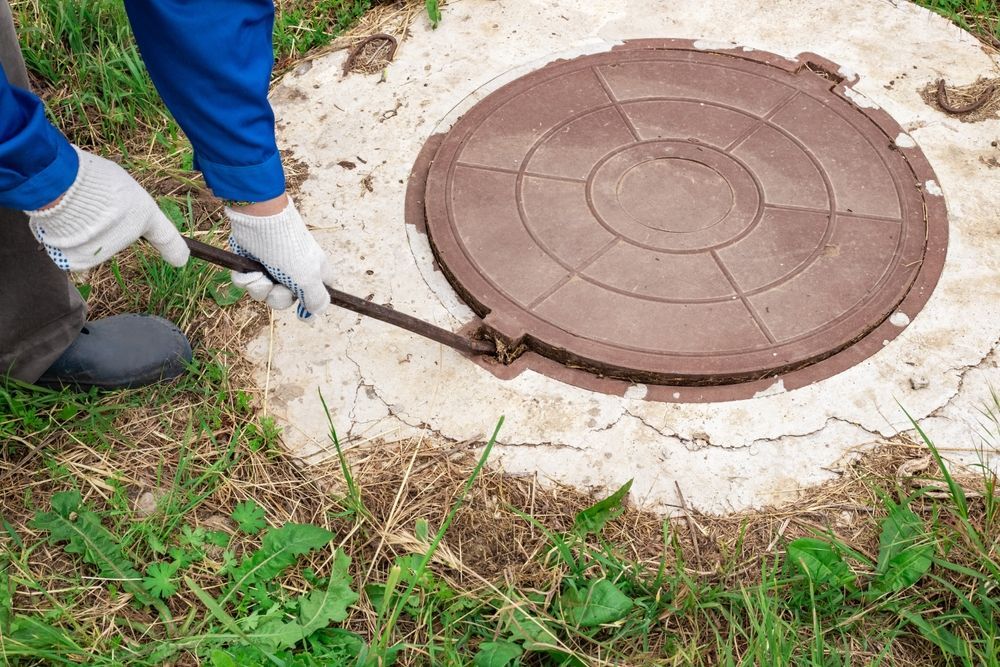
Private well systems in outlying residential communities require inspection before property purchase because water contamination and mechanical failures impose costly repairs and health risks that municipal water customers never face. Remidy Home Inspections evaluates well systems in Pottstown by testing water flow, pressure, bacteria presence, and water quality concerns while inspecting visible well components to document system functionality before buyers assume responsibility for private water supply. Wells serving rural and semi-rural properties depend on submersible pumps, pressure tanks, treatment systems, and drilled casings that degrade over time, and failures often occur without warning when components reach the end of their service life or when aquifer conditions change.
The inspection process examines well head seals, pressure switches, storage tanks, and pump operation to verify that the system delivers adequate flow and pressure to meet household demand. Water samples are collected and sent to certified laboratories that test for total coliform bacteria, E. coli, nitrates, and other contaminants that indicate whether the water supply is safe for consumption or requires treatment before use.
Include well inspection and water testing during property evaluations to identify contamination or mechanical problems before closing.
What Well System Inspections Assess and Document
Well inspections measure flow rate by timing how long the system takes to deliver a measured volume of water, and pressure readings at fixtures indicate whether the pressure tank and pump maintain adequate force throughout the distribution system. Visible components such as well caps, vent screens, and electrical connections are examined for deterioration, improper seals that allow surface water intrusion, and wiring defects that create shock hazards or pump failures. Water quality testing identifies bacterial contamination from septic systems, agricultural runoff, or wildlife activity near the well head, and elevated nitrate levels signal that fertilizers or waste products are reaching the aquifer and compromising water safety.
After inspection, you receive written reporting that documents water testing results, system functionality findings, and recommendations for repairs or treatment when contamination or mechanical defects are discovered. Wells contaminated with bacteria require shock chlorination or continuous treatment systems to render water safe for consumption, and pump or pressure tank failures necessitate component replacement that can cost several thousand dollars depending on well depth and equipment specifications. Remidy Home Inspections provides the documentation needed to negotiate repairs or request that sellers address defects before transfer of ownership.
Inspections focus on accessible components and do not include downhole camera surveys or destructive testing of buried casings, though visible signs of casing damage or inadequate well seals are noted in reporting. Properties with private wells require ongoing maintenance and periodic water testing that municipal customers do not face, making pre-purchase evaluation essential for buyers unfamiliar with well system ownership responsibilities.
Well Inspection Questions Property Buyers Ask
Well system concerns arise frequently during rural property transactions where buyers are transitioning from municipal water service to private supply systems.
What water quality parameters are tested during well inspections?
Laboratory analysis includes total coliform bacteria, E. coli, nitrates, pH, hardness, and other contaminants that affect safety and usability, with additional tests available for specific concerns like arsenic, lead, or volatile organic compounds.
How do inspectors verify that well systems deliver adequate water flow?
Flow testing measures gallons per minute delivered at fixtures while monitoring whether the pump cycles appropriately and whether pressure remains stable under sustained demand, indicating that the well can meet household needs.
Why are bacterial contamination concerns common in private well systems around Pottstown?
Proximity to septic systems, agricultural land use, and inadequate well head seals allow surface water carrying bacteria to enter aquifers or infiltrate casings, requiring treatment or repairs to restore safe water quality.
What documentation do lenders require for properties with private wells?
Written reporting that documents water testing results and inspection findings clearly satisfies lender requirements for loans on properties relying on well systems, particularly when bacterial contamination or flow deficiencies are identified and addressed before closing.
When should homeowners retest well water after purchasing rural properties?
Annual bacterial testing and periodic comprehensive water quality analysis ensure that contamination has not developed and that treatment systems continue functioning effectively, particularly after heavy rainfall or changes in nearby land use.
Buyers throughout the Pottstown region trust Remidy Home Inspections to evaluate private well systems and document water safety before property transactions finalize. Request well inspection and water testing to protect your family from contamination risks and costly mechanical failures.