Roof Documentation Without Climbing or Damage
Drone Inspection in City unavailable for comprehensive roofing evaluations on steep slopes, multi-level homes, and properties with limited safe access
Steep-pitched roofs, multiple roof elevations, and homes built with architectural features that complicate ladder access present safety challenges during traditional inspections while risking granule displacement and seal damage from foot traffic across shingle surfaces. High-resolution aerial photography captured by drone equipment documents roofing materials, flashing details, gutter conditions, and chimney cap integrity without requiring inspectors to walk across vulnerable roof planes. Properties with tile roofing, slate installations, or aging three-tab shingles particularly benefit from non-contact inspection methods that provide complete documentation without accelerating material deterioration.
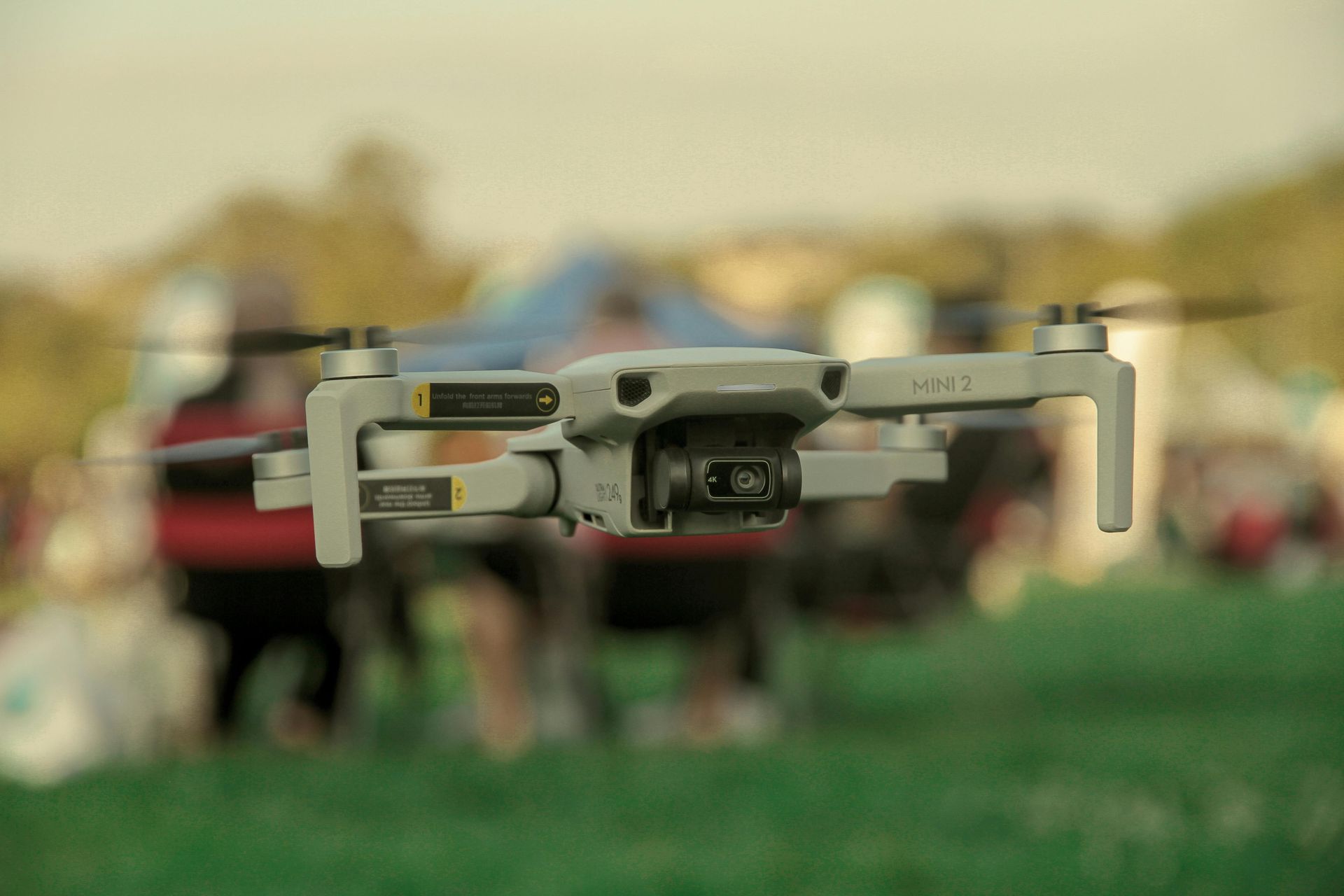
Drone-mounted cameras capture overhead imagery and angled perspectives that reveal conditions difficult to assess from ground level or ladder positions, including valley flashing installation quality, ridge vent fastening patterns, and debris accumulation inside gutter systems. Remidy Home Inspections incorporates aerial imagery directly within digital inspection reports, allowing buyers and homeowners to view roofing conditions from multiple angles with date-stamped documentation.
Request drone-assisted inspection services to evaluate roof conditions thoroughly while avoiding unnecessary safety risks and material damage.
Why Aerial Imaging Changes Roof Evaluations
Traditional roof inspections rely on ladder access to roof edges, binocular observation from ground level, or walking across roofing materials to examine conditions up close, each method presenting limitations when homes feature complex rooflines, excessive height, or fragile roofing products. Drone technology eliminates those constraints by positioning camera equipment directly above and around roof features, capturing detailed imagery of fastener patterns along ridge caps, sealant application around pipe boots, and granule loss patterns across shingle fields that indicate aging and weathering progression.
After aerial documentation, you receive high-resolution images embedded within your inspection report showing roofing material condition, flashing installations at roof-to-wall transitions, and gutter attachment integrity from perspectives impossible to achieve safely using ladders alone. Homes with second-story additions, turret features, or steeply sloped dormers benefit from aerial imaging because those architectural elements create access challenges that limit how thoroughly inspectors can evaluate conditions using conventional methods. The imagery also documents exterior wall conditions at upper elevations, siding damage near rooflines, and soffit ventilation adequacy without requiring scaffolding or extension ladders.
Drone inspections don't replace all roof access but reduce the need for walking across surfaces where foot traffic accelerates wear, particularly on older roofs nearing replacement timelines where preserving remaining service life matters. The technology provides buyers with visual evidence of current roofing conditions during purchase negotiations and helps homeowners monitor roof performance over time through periodic aerial documentation.
Common Questions About Drone-Assisted Inspections
Buyers and homeowners considering aerial inspection methods often want to understand what the technology reveals and how it fits within comprehensive property evaluations.
What roof conditions can drones document that ladder inspections miss?
Aerial imaging captures center-roof areas on large or complex rooflines, documents granule loss patterns across entire shingle fields, and reveals valley conditions where ladder access would require walking across vulnerable roof sections.
How does drone inspection prevent roof damage during evaluations?
Non-contact aerial photography eliminates foot traffic that can crack aging shingles, displace roofing granules, and break sealant bonds on architectural shingles, preserving material integrity while still providing thorough documentation.
Why do homes with multiple roof levels benefit from drone technology?
Multi-elevation rooflines create access challenges where reaching upper roof sections safely requires specialized equipment, while drones provide complete overhead documentation of all roof planes regardless of height or slope.
What appears in the inspection report after drone imaging?
High-resolution aerial photographs are included within the digital report alongside annotated observations identifying roofing concerns, with images captured from multiple angles to show flashing details, material conditions, and gutter performance.
Can drones inspect roofs in all weather conditions?
Flight operations require minimal wind, adequate lighting, and dry conditions for safe equipment operation and clear imagery, meaning aerial inspections are scheduled when weather permits stable flight and optimal photographic documentation.
Remidy Home Inspections uses drone technology to provide safer, more complete roof evaluations for buyers and homeowners requiring detailed exterior documentation. Schedule a drone-assisted inspection to receive comprehensive roofing imagery without compromising material integrity or inspector safety.