Systems Visible Before Walls Close
Pre-Drywall Inspection in Pottstown for new construction buyers reviewing hidden components before insulation
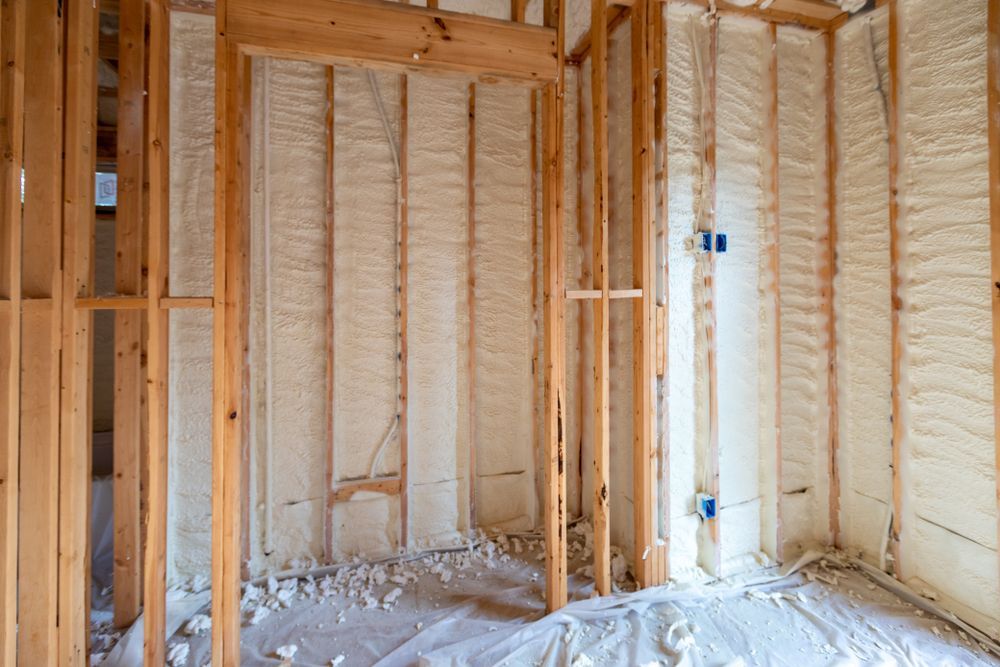
Framing, plumbing rough-in, electrical wiring, HVAC ductwork, and insulation installation all become permanently hidden once drywall goes up. These systems determine how your home functions for decades, but construction sequencing means you have only a narrow window to verify correct installation before walls close. Remidy Home Inspections evaluates structural framing alignment, mechanical system installations, and rough-in components during this critical building phase in Pottstown, providing photo documentation that shows exactly what's inside your walls.
The inspection reviews stud spacing and header installation, plumbing pipe routing and support, electrical box placement and wiring methods, HVAC supply and return duct sizing, insulation coverage and vapor barrier installation, and structural connections at floor and roof levels. Common construction sequencing issues like missing fire blocking, improperly secured plumbing lines, undersized ductwork, and inadequate insulation around outlets can all be corrected easily during framing stages but become expensive problems once drywall hides the work.
Schedule your inspection before insulation and drywall installation to identify concerns while corrections remain simple and inexpensive.
What Proper Rough-In Inspection Requires
The evaluation documents framing that meets structural requirements, mechanical systems installed according to manufacturer specifications, and rough-in work that follows applicable building codes. You see photos showing how plumbing is routed, where electrical circuits originate, how ducts connect to HVAC equipment, and whether insulation fills cavities completely without gaps. This visibility into hidden systems helps you understand what affects energy efficiency, water pressure, heating performance, and long-term structural stability after the home is finished.
Once the inspection completes, you hold documentation showing baseline installation quality for systems that will never be fully visible again during your ownership. Builders use these findings to address concerns during construction rather than discovering problems after drywall installation forces expensive demolition for access. The process works best when coordinated with construction timelines, so inspections occur after rough-in work is complete but before insulation crews arrive on site.
The inspection does not include destructive testing or removal of temporary construction materials, and it evaluates only work visible and accessible at the time of the visit. Future construction phases may reveal additional concerns not observable during rough-in stages.
What Buyers Want to Know About Pre-Drywall Inspections
New construction buyers often ask how pre-drywall inspections differ from final home inspections and what the evaluation reveals.
What construction phase is ideal for pre-drywall inspection scheduling?
The inspection should occur after plumbing, electrical, and HVAC rough-in work is complete and inspected by municipal authorities but before insulation installation begins, typically during a one- to two-week window when framing remains fully visible and accessible.
How does pre-drywall inspection differ from municipal building inspections?
Municipal inspectors verify minimum code compliance for specific systems during brief site visits, while home inspections provide detailed documentation of installation quality, workmanship concerns, and potential performance issues that affect long-term homeowner satisfaction beyond basic code requirements.
What types of issues appear during framing and rough-in stages?
Common findings include improper framing member sizing, missing structural connections, plumbing pipes without adequate support, electrical wiring routed through studs without protection plates, HVAC ducts with air leaks at connections, and insulation gaps around windows and penetrations.
How do builders respond when pre-drywall inspections identify concerns?
Most builders appreciate detailed documentation that allows corrections during construction when access is easy and costs are minimal, particularly when findings reference specific code requirements or installation standards that municipal inspectors may have missed during brief site visits.
What documentation helps buyers understand systems inside finished walls?
The digital report includes photos showing system routing throughout the home, installation methods for mechanical components, and structural details at critical connections, all annotated with explanations of what each photo reveals about construction quality and potential concerns.
Remidy Home Inspections coordinates scheduling with builders and construction timelines to evaluate rough-in work when corrections remain straightforward. Contact us to arrange your pre-drywall inspection during the critical window before walls close and systems become permanently hidden.