See What Standard Inspections Can't Detect
Thermal Camera Inspection in City unavailable for hidden moisture, insulation failures, and electrical hotspots before they escalate
Moisture migrating behind exterior cladding, missing insulation inside finished walls, and electrical connections overheating inside panel boxes don't announce themselves during visual walkthroughs. Remidy Home Inspections uses infrared imaging to detect temperature differences invisible to the naked eye, revealing problems hidden behind surfaces in homes across the service area. Buyers evaluating older properties and homeowners investigating unexplained energy bills benefit from non-invasive scanning that documents concerns before they require invasive demolition to confirm.
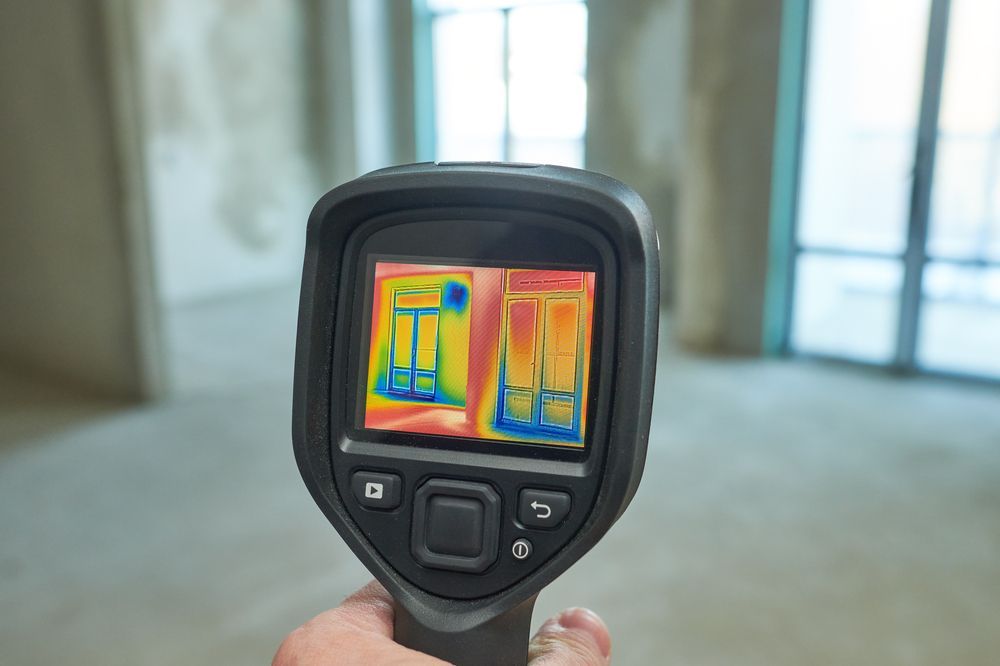
Thermal cameras capture surface temperature variations that signal underlying issues: cold spots indicating insulation voids, warm areas showing air leakage paths, moisture-affected materials displaying cooler signatures than surrounding dry surfaces, and overheating electrical terminals glowing brighter than properly functioning components. During residential inspections, the camera scans exterior walls, attic spaces, electrical panels, and areas where visual indicators like staining or discoloration suggest concealed damage.
Schedule a thermal imaging inspection to document hidden conditions that affect energy performance and long-term durability.
What Infrared Technology Actually Reveals
Infrared scanning detects radiant heat, not moisture or electricity directly, which means the camera identifies problems by measuring temperature differences across building surfaces. Cold areas along exterior walls during winter heating periods indicate missing or compressed insulation, while warm spots near plumbing walls suggest hot water leaks raising material temperatures. Electrical components drawing excessive current generate measurable heat, and moisture trapped inside wall cavities cools those areas compared to dry adjacent sections because water conducts heat differently than building materials.
After scanning, you receive thermal images embedded directly within your inspection report, showing side-by-side comparisons of standard photographs and corresponding infrared views of the same location. Problem areas appear color-coded based on temperature scale, making it easier to understand where insulation gaps exist along rooflines, where air infiltration occurs around window frames, and which electrical connections require further evaluation by a licensed electrician. Older homes with decades of undocumented repairs and additions particularly benefit from thermal imaging because hidden maintenance concerns often remain concealed behind finished surfaces installed during previous renovations.
The technology doesn't replace visual inspection methods but supplements them by adding data that answers questions standard observations can't resolve, such as whether wall discoloration stems from active moisture intrusion or old staining from a previously repaired leak. Thermal imaging during new construction inspections verifies insulation installation quality before drywall covers framing cavities, providing documentation of energy envelope performance that becomes inaccessible once walls are closed.
Questions Homeowners Ask About Thermal Imaging
Buyers and homeowners considering thermal technology often want to understand how the equipment works and what problems it can realistically identify before committing to the service.
What conditions allow thermal cameras to detect moisture inside walls?
Moisture detection depends on temperature differences between wet and dry materials, which becomes more pronounced when heating or cooling systems create thermal contrast—scanning works best when the home's HVAC system has been running and indoor-outdoor temperature differences exceed fifteen degrees.
How do infrared scans identify insulation problems that aren't visible?
Missing or compressed insulation allows greater heat transfer through building assemblies, creating surface temperature variations the camera captures as cold spots during winter or warm spots during summer compared to properly insulated adjacent areas.
Why does thermal imaging matter more in older homes?
Homes built before modern energy codes often contain incomplete insulation, undocumented alterations, and concealed repairs where thermal scanning reveals maintenance concerns hidden behind finishes installed during previous remodeling projects.
Can thermal cameras detect electrical problems before they cause fires?
The camera identifies overheating components like loose terminal connections, overloaded circuits, and failing breakers by measuring elevated temperatures at electrical panels and outlets, flagging hazards that require immediate evaluation by a licensed electrician.
What's included in the thermal imaging report after scanning?
Thermal images appear alongside corresponding standard photographs within the digital inspection report, with annotated temperature scales and written explanations identifying each concern and recommending appropriate follow-up actions.
Remidy Home Inspections includes thermal imaging as an added service during residential and new construction inspections, providing buyers and homeowners with additional documentation of hidden conditions that affect property performance. Request thermal camera inspection services to gain insight into concealed issues before they require costly repairs to address.