Homes That Protect Occupants From Hidden Risks
Radon Testing in Pottstown for properties with elevated exposure risk in basements and lower-level living areas
Remidy Home Inspections conducts radon testing in Pottstown using EPA-approved methods to identify elevated radon concentrations in residential properties. Radon is a radioactive gas that seeps into homes through foundation cracks, sump pump openings, and floor-to-wall joints, accumulating in basements and lower living areas where occupants spend significant time. Pennsylvania's underlying geology includes uranium-bearing rock formations that release radon gas as they decay, making regional homes particularly vulnerable to elevated indoor radon levels that exceed the EPA's action guideline of 4.0 picocuries per liter.
Testing involves placing monitoring devices in the lowest occupied level of the home for a minimum period to capture radon concentration patterns under closed-house conditions. Fast turnaround times allow buyers and sellers to receive accurate results during typical real estate transaction timelines, and the testing process documents whether mitigation systems are needed to reduce long-term health risks associated with prolonged radon exposure.
Schedule a radon test to determine actual exposure levels before finalizing your property purchase or loan approval.
How Radon Accumulates and What Testing Reveals
Radon enters through the path of least resistance, migrating from soil gas into conditioned spaces where pressure differentials draw the gas upward through foundation penetrations and porous concrete. EPA-approved continuous radon monitors measure fluctuating concentrations over the testing period, accounting for changes in barometric pressure, soil moisture, and ventilation conditions that affect how much radon accumulates indoors. Basements in Pennsylvania homes are particularly susceptible because they sit directly on soil with radium concentrations that produce radon gas continuously.
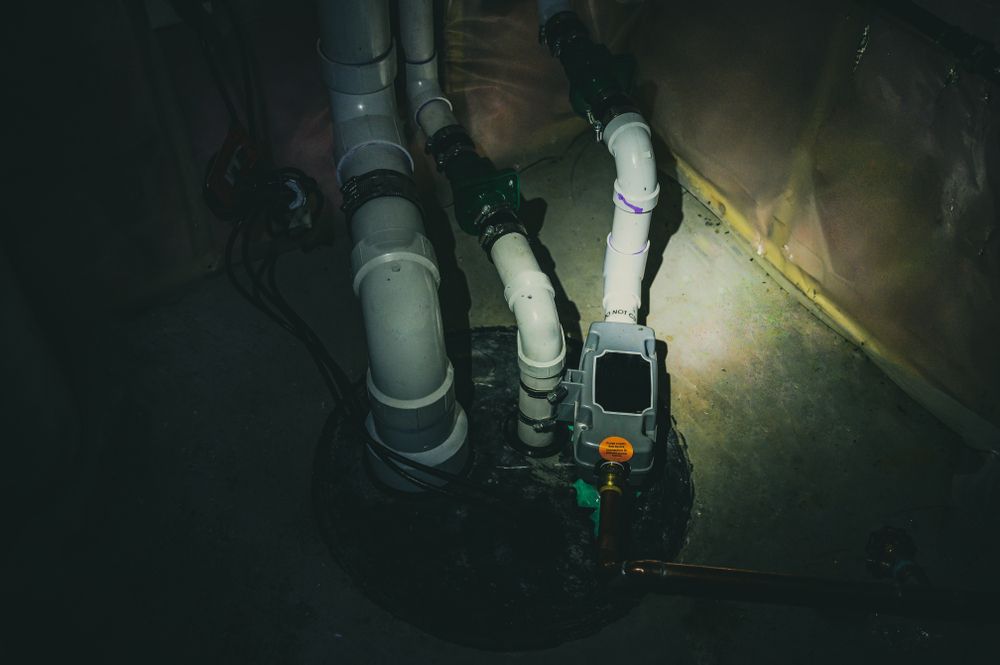
After testing completes, you receive a detailed report showing the average radon concentration measured in picocuries per liter, along with mitigation referrals if levels exceed the EPA action guideline. Elevated readings indicate that a mitigation system—typically a sub-slab depressurization system with a vent pipe and fan—will be necessary to reduce concentrations below the threshold where long-term lung cancer risk increases. Lenders and buyers often require radon testing during home purchase negotiations because elevated radon is both undetectable without measurement and correctable with proven mitigation techniques.
Testing does not require invasive procedures or property alterations, and monitoring equipment operates silently throughout the evaluation period. Results provide the data needed to make informed decisions about mitigation costs and health risk management before closing, and documentation satisfies lender requirements for loans contingent on radon evaluation.
Questions Homeowners Ask About Radon Evaluation
Radon concerns arise frequently during property transactions in areas where geological conditions contribute to elevated indoor concentrations, and understanding the testing process helps buyers and sellers navigate inspection contingencies.
What areas of the home require radon testing during a property evaluation?
Testing focuses on the lowest occupied level, typically the basement or ground-floor living area, because radon concentrations are highest where the home contacts soil and where gas entry points are most common.
How long does radon testing take to produce reliable results?
EPA-approved continuous monitors require a minimum testing period under closed-house conditions to account for natural fluctuations in radon entry rates caused by weather, soil moisture, and pressure changes.
Why are radon levels higher in Pennsylvania homes compared to other regions?
The underlying Piedmont and Reading Prong geological formations contain uranium-bearing minerals that decay into radium and release radon gas, making elevated indoor radon concentrations more common throughout the region.
What happens if radon levels exceed the EPA action guideline?
Remidy Home Inspections provides clear reporting and mitigation referrals when elevated readings are discovered, allowing buyers to negotiate repairs or request that sellers install sub-slab depressurization systems before closing.
When should homeowners schedule radon testing outside of property transactions?
Testing is recommended after foundation repairs, new construction, or when occupants spend significant time in lower-level spaces where radon accumulates undetected without measurement.
Buyers and homeowners throughout Pottstown rely on Remidy Home Inspections for radon testing that meets EPA protocols and lender requirements. Request radon evaluation during your due diligence period to address exposure risks before finalizing your purchase.