Why Radon Testing Should Be Part of Every Home Purchase in Pennsylvania
I get this question fairly often: "Do I really need radon testing?" My answer is always the same. If you are buying a home in Pennsylvania, yes. Here is why.
What Radon Is
Radon is a naturally occurring radioactive gas. It comes from the breakdown of uranium in soil and rock. It is colorless, odorless, and tasteless. You cannot see it, smell it, or taste it. The only way to know if it is in your home is to test for it.
It seeps up through the ground and can accumulate in basements and lower levels of a home. In enclosed spaces, concentrations can build up to dangerous levels over time.
Why Pennsylvania Specifically
Pennsylvania has one of the highest radon potentials in the entire country. The geology here creates conditions that allow radon to move easily through the ground. According to the EPA, nearly half of Pennsylvania's homes have radon levels above the action level of 4 picocuries per liter (pCi/L).
Montgomery County, where I work, falls into radon zone 1. That means it has the highest predicted radon levels. If you are buying a home here and skipping radon testing, that is a real risk.
The Health Risk
Radon is the second leading cause of lung cancer in the United States, behind only smoking. The EPA estimates it causes about 21,000 lung cancer deaths per year. The risk is not from a short-term exposure but from living in an elevated-radon environment over months and years.
For non-smokers, radon is the number one cause of lung cancer. That is not something to brush off.
What I Do During Radon Testing
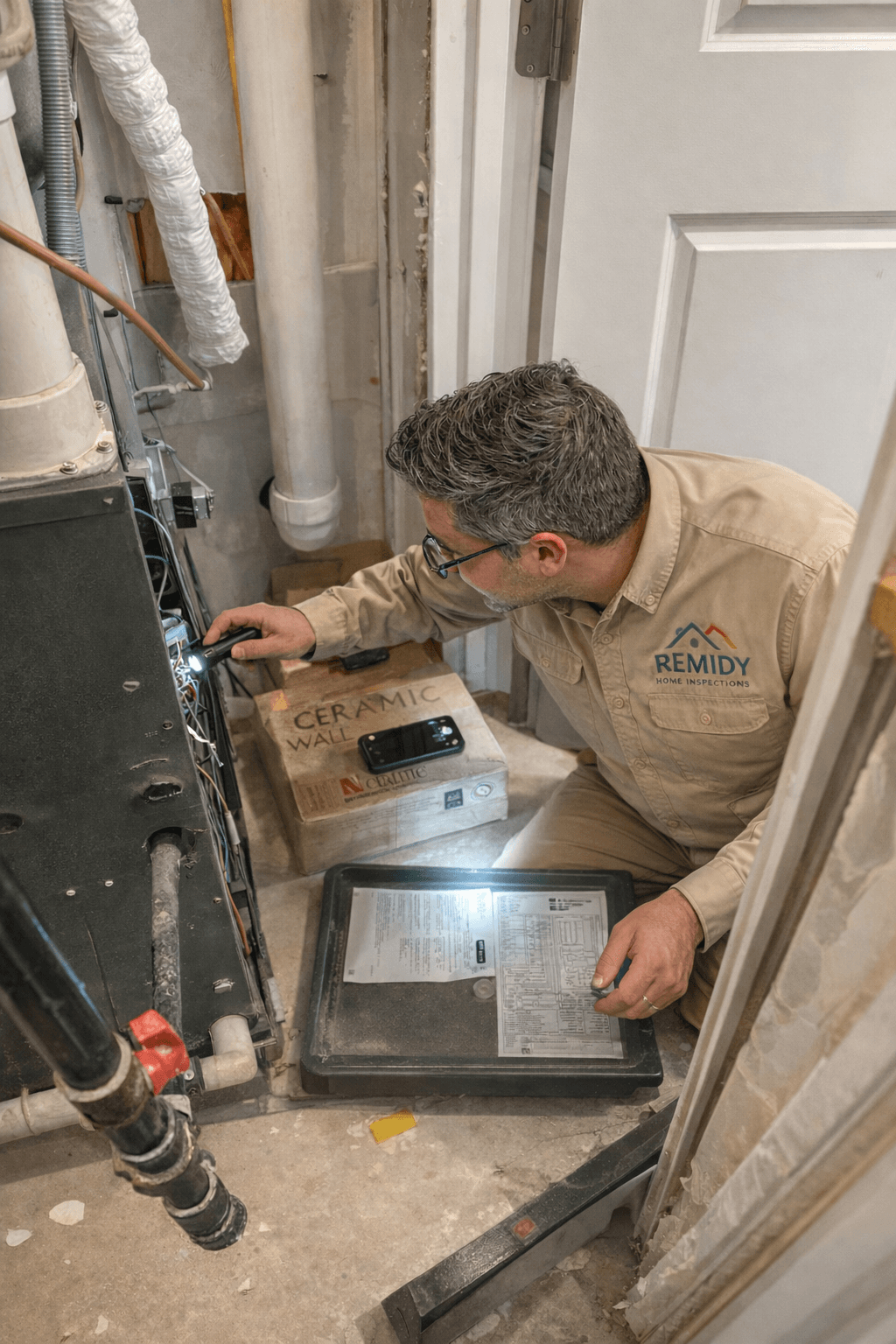
I place a certified testing device in the lowest livable area of the home, usually a basement or first floor if there is no basement. The device collects data for a minimum of 48 hours. Results come back from a certified laboratory.
If the result is at or above 4 pCi/L, the EPA recommends mitigation. Radon mitigation systems are effective and not overly expensive. They involve a pipe and fan system that draws radon from under the house and vents it outside before it can accumulate. A typical mitigation system runs between $800 and $1,500.
What If It Tests High Before Closing
This is one of the most useful things about testing during your inspection period. If the home tests high, you have options. You can ask the seller to install a mitigation system before closing. You can negotiate a credit to cover the cost. Or you can factor it into your decision about the purchase.
If you wait until after closing to find out, those options are gone. The problem is yours.
Bundling Radon With Your Inspection
I offer radon testing as an add-on to any home inspection. Scheduling them together is the most convenient option and typically the most cost-effective. You are already at the property. The test device can go in while I am conducting the rest of the inspection.
Call or text me at 610-322-1876 to schedule. I serve Pottstown and all of Montgomery County.